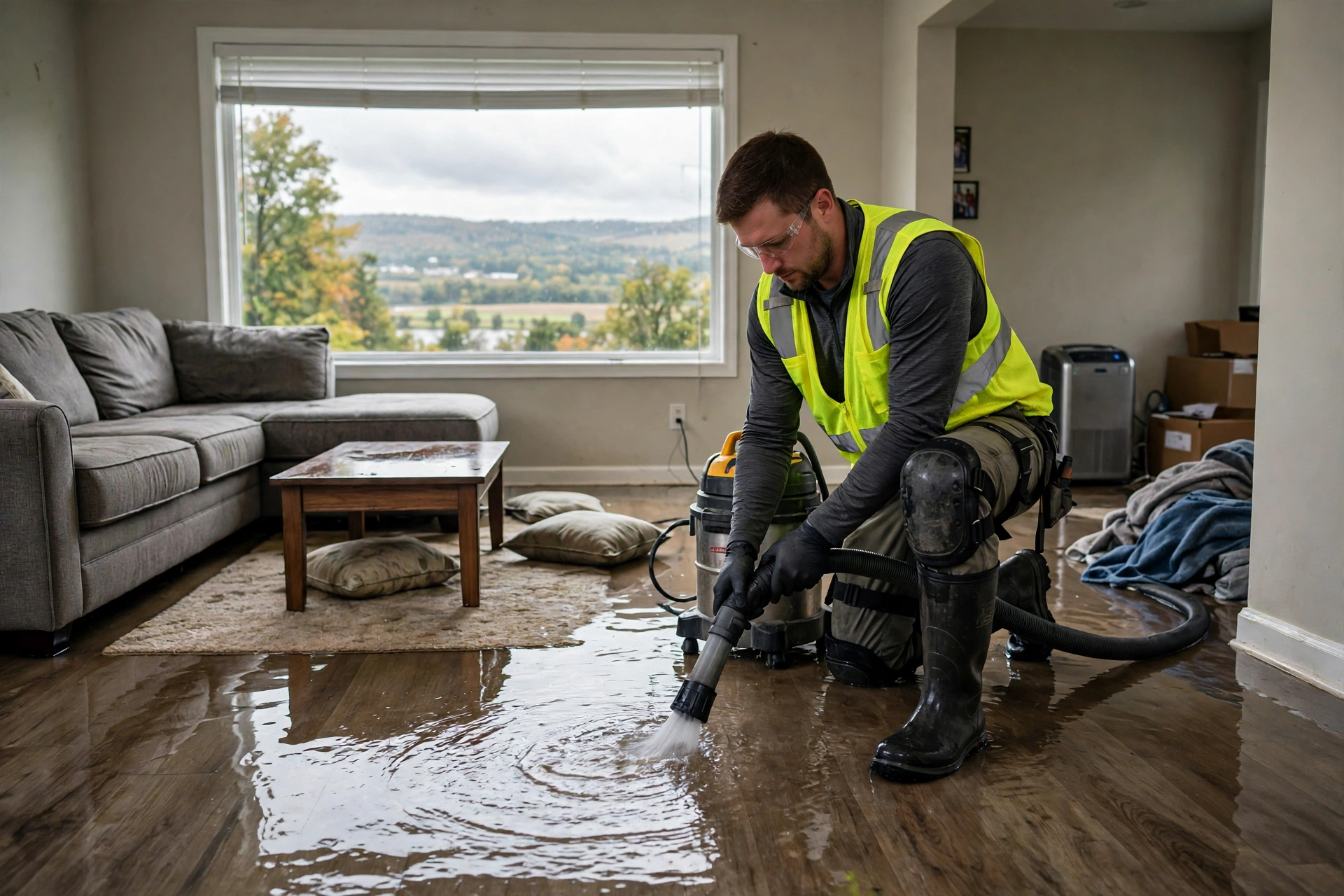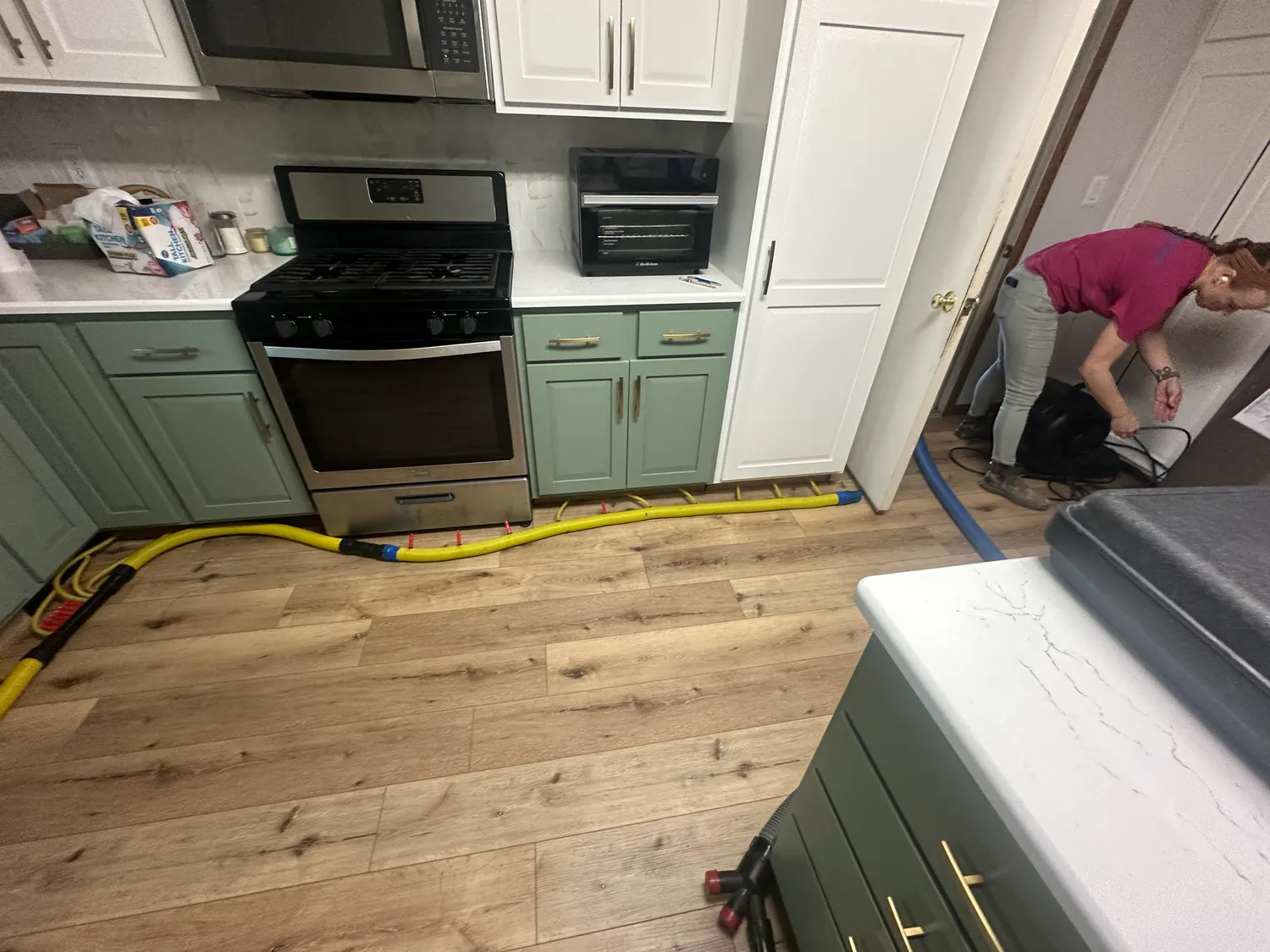
If you have ever caught a musty smell in your basement or spotted a dark patch spreading across a bathroom ceiling, you may already be dealing with a mold problem. Mold is a common issue in homes across Streator and the Illinois Valley, where humid summers, older housing, and basement moisture create ideal growing conditions. The trouble is that mold often grows out of sight — behind drywall, under flooring, or inside wall cavities — long before you can see it. That is why mold remediation Streator IL services matter: trained technicians find the full extent of the growth, remove it safely, and fix the moisture problem that caused it.
In this guide, J&M Reliable explains the warning signs to watch for, where mold hides, why do-it-yourself cleanup often makes things worse, and what a proper remediation job looks like.
Why Mold Grows So Easily in Streator Homes
Streator sits in the Illinois Valley, where summer humidity regularly climbs and older homes are the norm. Many houses in the area were built decades ago, with basements, crawl spaces, and pipes that have seen years of wear. Mold needs only three things to grow: moisture, a food source, and time. Drywall, wood framing, carpet backing, and dust all feed it, and a small leak, a damp basement, or condensation around windows can supply the moisture.
Once mold takes hold, it can spread through a home in a matter of days, especially in warm, still air. Seasonal flooding, heavy spring rain, and sump pump failures add to the risk. That combination is why mold is one of the most common indoor air problems in the Illinois Valley — and why catching it early saves homeowners time, money, and stress.
The Warning Signs You Should Not Ignore
Mold does not always announce itself with a visible patch on the wall. Often, the first clue is a smell: a persistent, earthy, musty odor in a basement, bathroom, or closet that does not go away with cleaning. Other warning signs include dark or greenish spots on walls and ceilings, allergy-like symptoms such as sneezing, coughing, or itchy eyes that ease when you leave the house, peeling paint, bubbling wallpaper, or warped baseboards. If your home has had any water damage — even a small leak that was mopped up months ago — mold may be growing behind the surfaces that got wet. Pay attention to these signs:
- A persistent musty or earthy smell that cleaning does not remove
- Dark, green, or black spots on walls, ceilings, or grout
- Sneezing, coughing, or itchy eyes that improve when you leave home
- Peeling paint, bubbling wallpaper, or warped baseboards
- A history of leaks, flooding, or water damage in the home
Where Mold Hides in Your Home
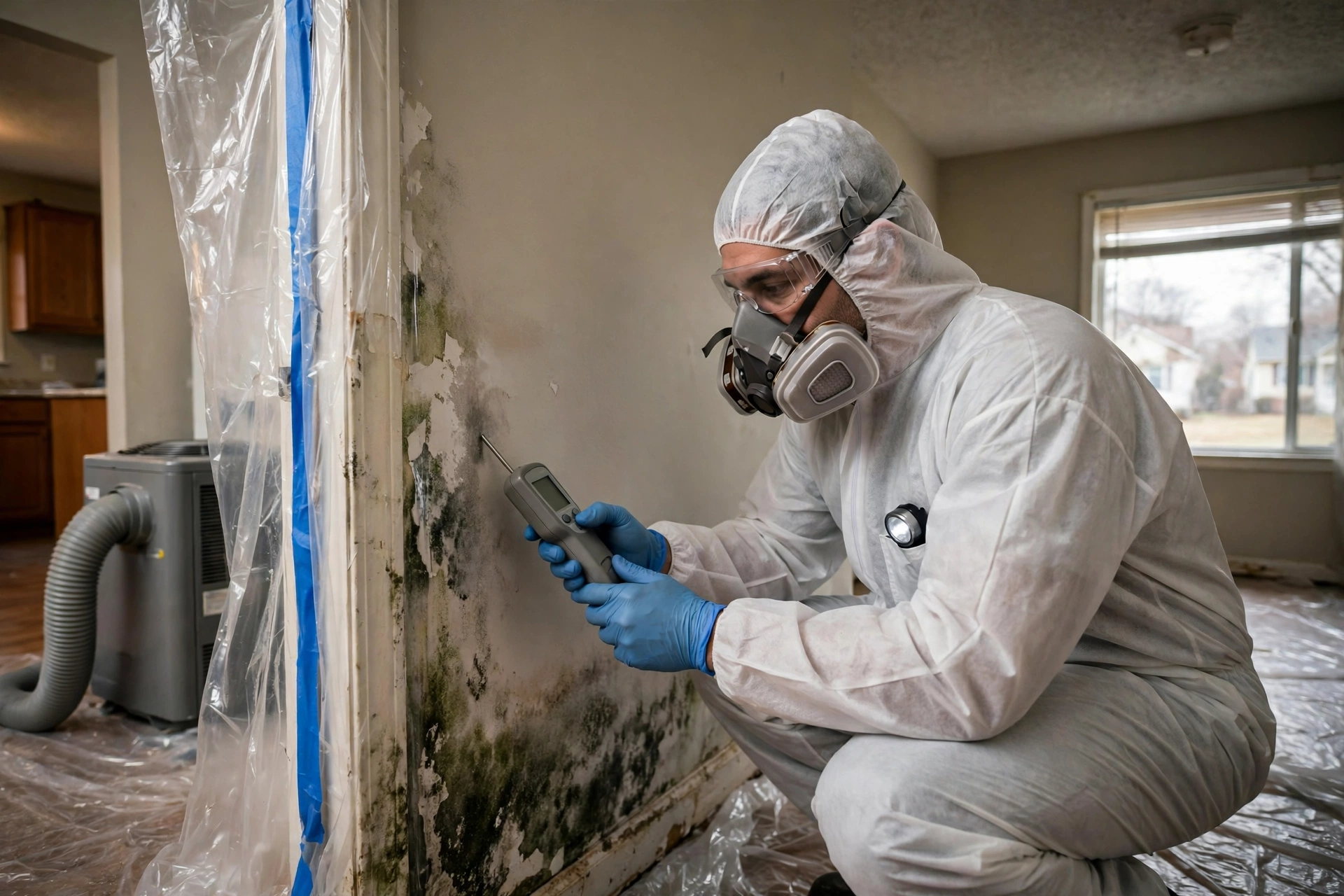
Mold grows wherever moisture lingers, and some of the worst growth happens in places you rarely look. Basements and crawl spaces top the list, especially where groundwater seeps in or a sump pump has failed. Behind drywall and under sinks, slow pipe leaks can feed mold for months without a single visible clue. Attics are another common hiding place, particularly where roof leaks or poor ventilation trap warm, moist air. Window frames, laundry rooms, and the area around air conditioning units are also worth checking. A mold remediation Streator IL inspection looks in all of these places — including inside wall cavities with moisture meters — because treating only the visible patch leaves the real colony untouched.
Why DIY Mold Removal Usually Makes Things Worse
It is tempting to reach for bleach and a scrub brush, but do-it-yourself mold removal often creates a bigger problem. Bleach can lighten the color of surface mold, but it does not kill mold growing inside porous materials such as drywall and wood. Scrubbing a moldy patch without containment sends thousands of spores into the air, where they settle in other rooms and start new colonies. Household cleaners do nothing about the moisture that caused the growth, so the mold simply returns.
Without protective gear, you can also breathe in spores and irritants during cleanup. Professional mold remediation Streator IL services exist precisely because mold is not a surface stain — it is a moisture problem that has to be solved at the source.
What Mold Remediation Streator IL Looks Like
A professional job follows a clear process. It starts with an inspection to find every affected area and identify the moisture source, whether that is a leak, condensation, or groundwater. The work area is then sealed off with containment barriers so spores cannot spread to clean rooms, and the air is filtered with HEPA equipment.
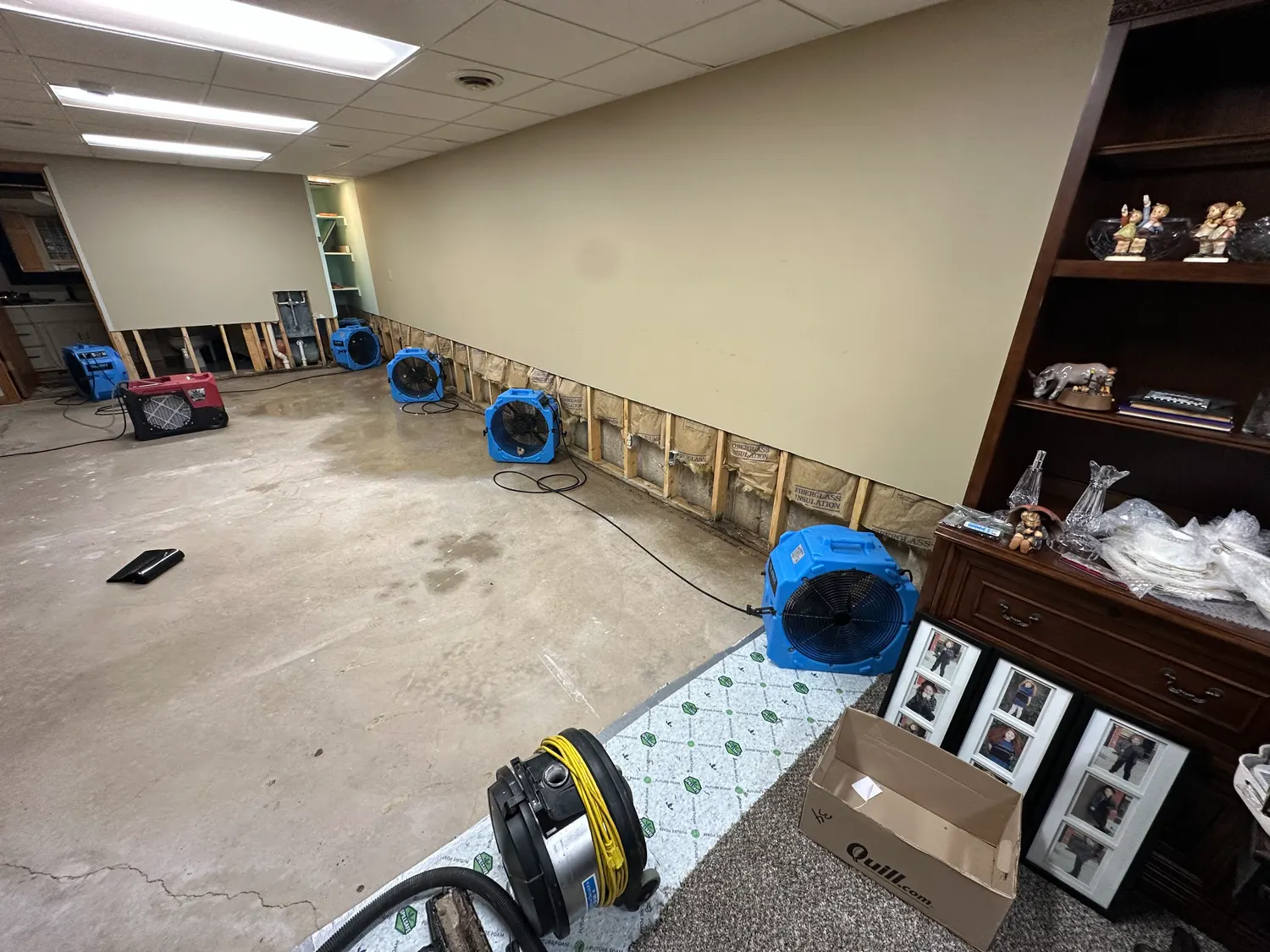
Affected materials that cannot be cleaned — such as heavily damaged drywall or insulation — are removed and bagged safely. Remaining surfaces are cleaned with professional-grade antimicrobial treatments, and the area is dried thoroughly with commercial dehumidifiers and air movers. J&M Reliable follows this process on every mold remediation Streator IL job, so the mold is gone and the conditions that grew it are corrected.
How to Keep Mold From Coming Back
Removal is only half the job. Keeping mold away means controlling moisture for good. Keep indoor humidity below 50 percent, use bathroom and kitchen exhaust fans, and run a dehumidifier in damp basements. Fix leaks the moment you notice them, keep gutters and downspouts directing water away from the foundation, and check your sump pump before spring rains. After any water damage — even a small one — dry the area within 24 to 48 hours and watch for musty smells in the following weeks. Homes in Streator that stay dry stay mold-free, and a quick annual check of basements, attics, and pipe connections goes a long way.
Frequently Asked Questions
Is mold in my home dangerous?
Most household molds cause irritation such as sneezing, coughing, and itchy eyes, and people with asthma, allergies, or weakened immune systems tend to be more sensitive. Any mold growth deserves attention, and a professional assessment is the safest way to find out how widespread it is and what it will take to remove it. The U.S. Environmental Protection Agency also publishes guidance on mold, moisture, and cleanup for homeowners.
How long does mold remediation take?
For mold remediation Streator IL projects, it depends on the size and location of the growth. A small, contained area can often be remediated in a day, while a larger job affecting several rooms or structural materials can take several days. An inspection determines the scope first, so you get a clear timeline before work begins.
Will mold come back after remediation?
Not if the moisture source is fixed. Remediation removes the growth, but lasting results come from correcting the leak, ventilation, or drainage problem that fed it. J&M Reliable addresses the moisture source as part of every mold remediation Streator IL project and can advise you on simple steps to keep humidity under control.
Call J&M Reliable for Help in Streator, IL
If you have spotted mold — or you only suspect it — do not wait for it to spread. J&M Reliable provides professional mold remediation in Streator, IL and across the Illinois Valley, with 24/7 emergency response from a family-owned, fully insured team. Call (815) 672-7514 today to schedule an inspection and get your home healthy again.
Need help? Call J&M Reliable at (815) 672-7514 — serving Streator, IL and the Illinois Valley, 24/7 emergency response.
Related: Mold Remediation | Service Area: Streator, IL | J&M Reliable