Illinois weather is incredibly violent. Massive hailstones drop during spring thunderstorms. They smash into your roof like jagged rocks. You survive the storm inside. Your roof takes a massive beating outside. A damaged roof cannot stop rain. It leaks fast. Water drops straight into your attic. It ruins your insulation. It rots your wooden ceiling joists. It causes toxic mold outbreaks within days.
At JM Reliable, we mitigate these exact disasters. We handle extreme water damage restoration across Streator and the Illinois Valley. We clean up the mess when roofs fail. You must catch roof damage early. A professional roof inspection after a hail storm prevents catastrophic indoor flooding. Let’s look at how hail actually breaks shingles. We will explain test squares. We will show you exactly how to prove your damage to the insurance company.
Why You Must Inspect Roof After Hail
You must inspect the roof after hail because most impact damage remains completely invisible from the ground. Hidden fractures inside the fiberglass matting allow rainwater to slowly seep directly into your attic space over time.
Many homeowners walk outside after a storm. They look up. The shingles are still there. They assume everything is fine. This is a terrible mistake. Hail rarely knocks the shingle completely off the roof. It causes microscopic destruction. When a solid ice ball hits asphalt, it crushes the core. We call this a matting fracture. The physical fiberglass layer cracks underneath the black asphalt.
You cannot see this crack from the driveway. A thorough roof inspection after a hail storm finds these exact fractures. If you ignore them, water sneaks through the cracks during the next rainstorm. It creates slow leaks. These slow leaks rot your roof deck completely. Catching this early during a routine roof inspection after a hail storm saves your entire interior from water damage.
Spotting Shingle Granule Loss Hail Damage
Severe shingle granule loss hail damage occurs when impact knocks the protective stone layer right off the fiberglass core. You will find massive piles of these heavy colored stones sitting at the bottom of your aluminum gutters.
Asphalt shingles rely on small stone granules for survival. These stones block harsh UV rays. They give the roof its color. Hail impacts act like a hammer. They smash these stones loose. The next rain washes them straight down the roof. They pile up heavily inside your gutters. They wash out the bottom of your downspouts.
A proper roof inspection after a hail storm always starts at the gutter line. We look for this heavy sediment. Losing these granules exposes the raw black asphalt to the sun. The sun bakes the exposed asphalt rapidly. The shingle curls up and dies shortly after. Finding bare black spots during a roof inspection after a hail storm proves the shingles took a severe physical beating.
The Hail Damage Chalk Test Explained
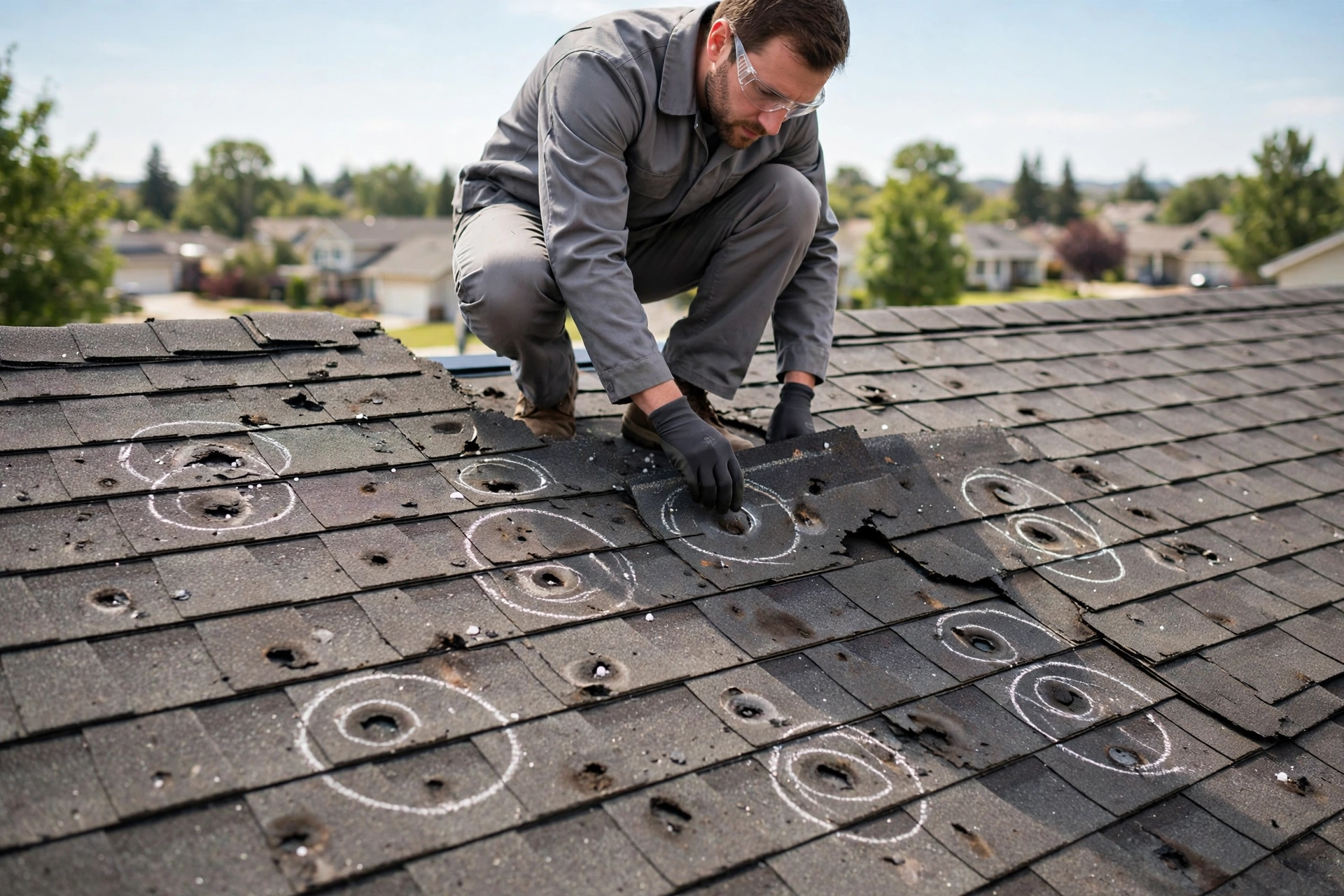
A hail damage chalk test involves rubbing standard sidewalk chalk sideways across a designated test square to highlight invisible impact bruises. The chalk dust catches on the broken edges of the impact crater while sliding over the smooth intact areas.
Insurance adjusters need hard visual proof. Finding a bruise on a dark shingle is very difficult. The chalk method solves this problem completely. Contractors measure out a ten-foot by ten-foot test square on the roof. They take a thick piece of chalk. They rub it flat across the damaged shingles.
This is a mandatory step in any professional roof inspection after a hail storm. The chalk clearly highlights the sub-surface bruising. It outlines the exact size of the hail impact. It turns a subtle dark bruise into a glaring white circle. This method makes the physical damage undeniable. It proves the fiberglass matting is actually compromised.
Inspecting Soft Metals for Dents
Hail dents soft metal roof vents and aluminum flashing long before it destroys heavy asphalt shingles. Checking these soft metal components first provides instant confirmation regarding the exact size and direction of the falling hail.
Asphalt hides damage well. Metal never lies. Roofers always check the soft metals first. They look at the aluminum box vents. They check the copper chimney flashing. They inspect the metal exhaust pipes.
Hail leaves deep physical dents in these soft materials. A smart roofer uses these dents to gauge the storm intensity. This phase of the roof inspection after the hail storm tells us exactly what hit the house. If the metal vents look like a hammered tin can, the asphalt shingles are definitely destroyed. Adjusters look closely at these metal strikes. They use them to validate the date of loss. It is crucial physical evidence.
Documenting Storm Damage Roof Claim Proof
Providing clear storm damage roof claim proof requires logging precise chalked test squares, capturing wide-angle photographs of metal dents, and compiling an organized written report for the insurance adjuster. You must document every single impact strike clearly to secure a full roof replacement.
Insurance companies do not just hand out new roofs. You have to fight for them. You must submit overwhelming evidence. A sloppy photo from the ground gets denied instantly. A rigorous roof inspection after a hail storm produces a tight legal document.
We take close-up photos of the granule loss in the gutters. We photograph the chalked impact circles. We document the exact number of strikes inside the test squares. We compile this data into an ironclad report. This detailed roof inspection after a hail storm forces the insurance company to act. It proves the storm ruined the waterproofing capability of the home.
Call JM Reliable for Water Damage Restoration
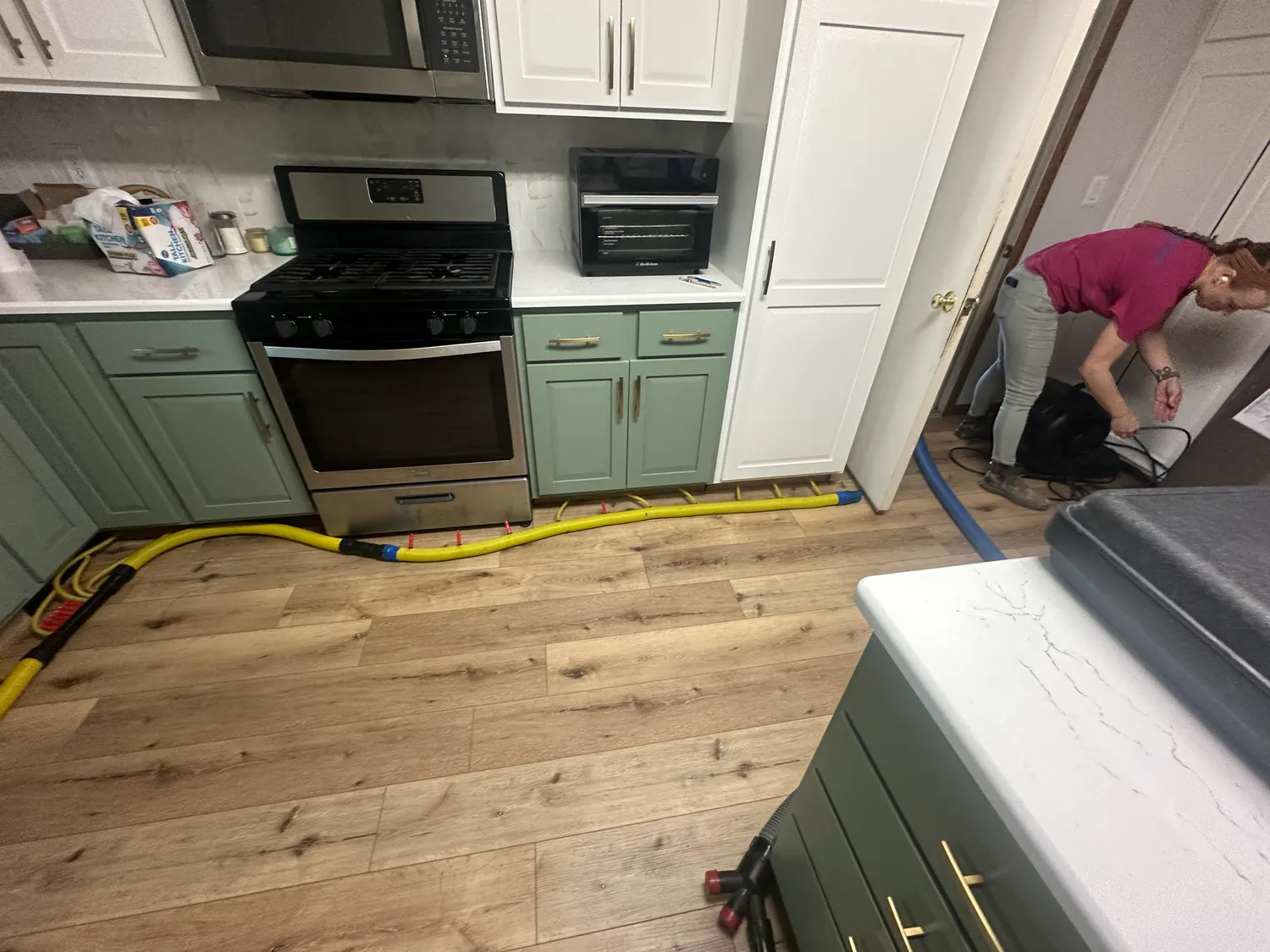
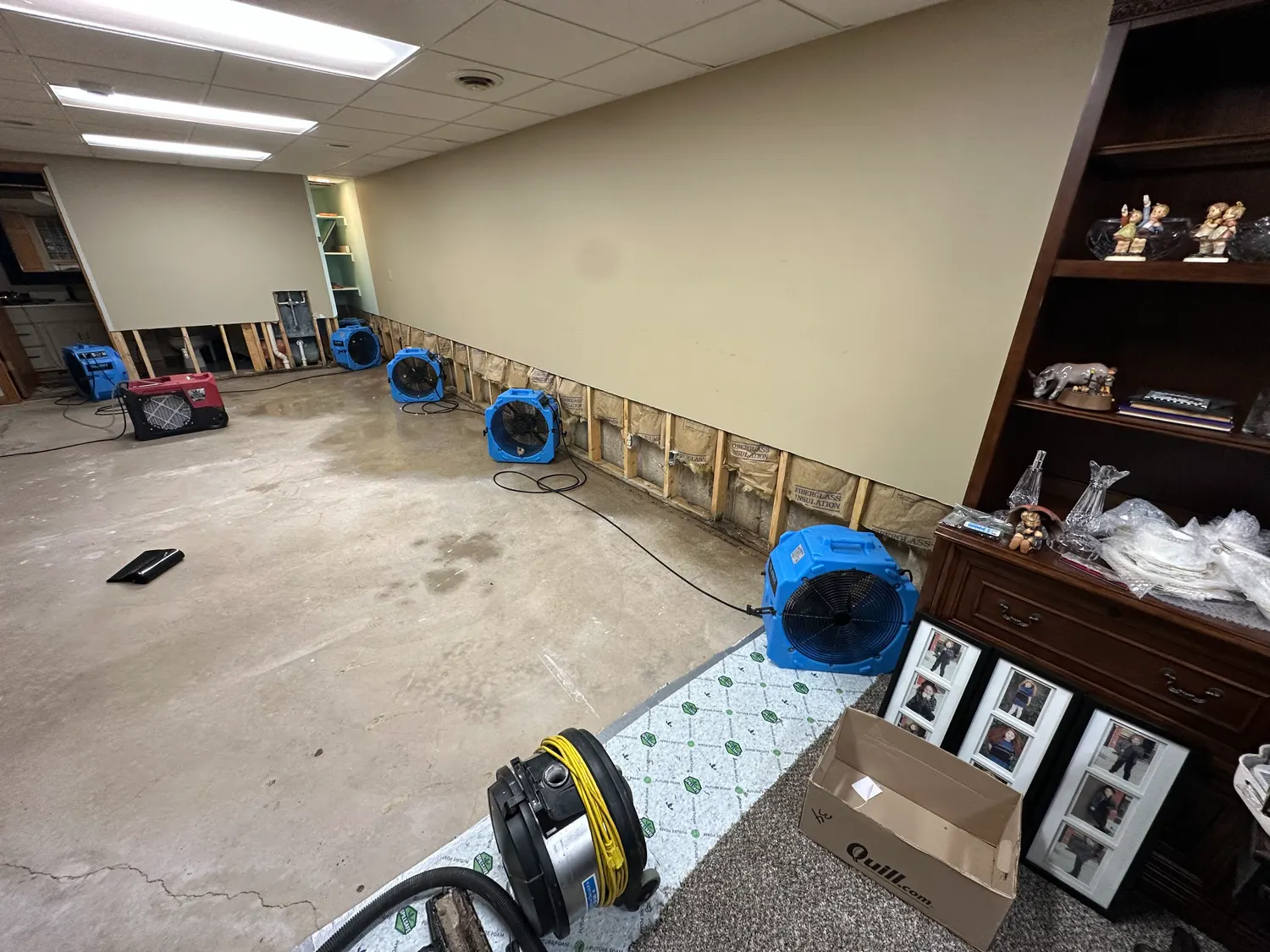
When a severe hailstorm destroys your roof, rainwater floods your attic and ruins your ceilings almost instantly. You need professional water extraction and structural drying immediately to stop toxic mold from taking over your home.
Do not let a damaged roof ruin your interior. Water destroys drywall fast. It rots structural framing in days. The clock is ticking the second you see a ceiling stain. JM Reliable is here to clean up the disaster. We are a trusted family-owned business. We serve Streator, Ottawa, La Salle, Morris, Dwight, and Pontiac. We handle severe water damage restoration and complete mold remediation. We bring over 50 years of dedicated local experience. Seniors, first responders, and veterans always receive a 10% discount. We offer honest upfront pricing with absolutely zero hidden fees. Call our 24/7 emergency response team right now at (815) 672-7514. We have the best possible solution for all these problems.