Water moves ruthlessly and without mercy. When a pipe bursts or a basement floods, the clock starts ticking against the structural integrity of your property. Standing water causes severe rot and toxic mold proliferation within the first 24 to 48 hours of exposure. Surviving a catastrophic indoor flood requires executing a precise water damage restoration process. Homeowners attempting DIY cleanups routinely fail to extract moisture trapped behind drywall, leading to massive secondary destruction. A professional water damage restoration process relies on heavy industrial machinery and rigid protocols to halt property degradation. Every minute you wait increases repair costs. Property owners in Ottawa and LaSalle must move aggressively. Understanding the exact water damage restoration process allows homeowners to secure their investments. We break down the rigid five-step protocol emergency responders use to drag properties back from total loss.
Step 1: Immediate Damage Inspection and Assessment
Emergency responders deploy moisture mapping technology and thermal imaging cameras to locate hidden water pockets behind walls. Accurate diagnostics form the absolute baseline of the water damage restoration process.
You cannot fight what you cannot see. When crews arrive in Peru or Oglesby, they bypass visual guesswork entirely. Technicians utilize penetrating moisture meters to measure exact saturation levels of building materials. This initial phase dictates the scope of the emergency water restoration protocol. Responders identify the category of water involved, ranging from clean supply line leaks to highly toxic sewage backups. Contamination levels determine which porous materials must be permanently discarded. Following a strict water damage restoration process ensures no hidden moisture pockets breed toxic black mold. Once mapped, project managers establish a secure staging area and shut down active power lines to prevent electrocution hazards.
Step 2: Executing Rapid Water Extraction Steps
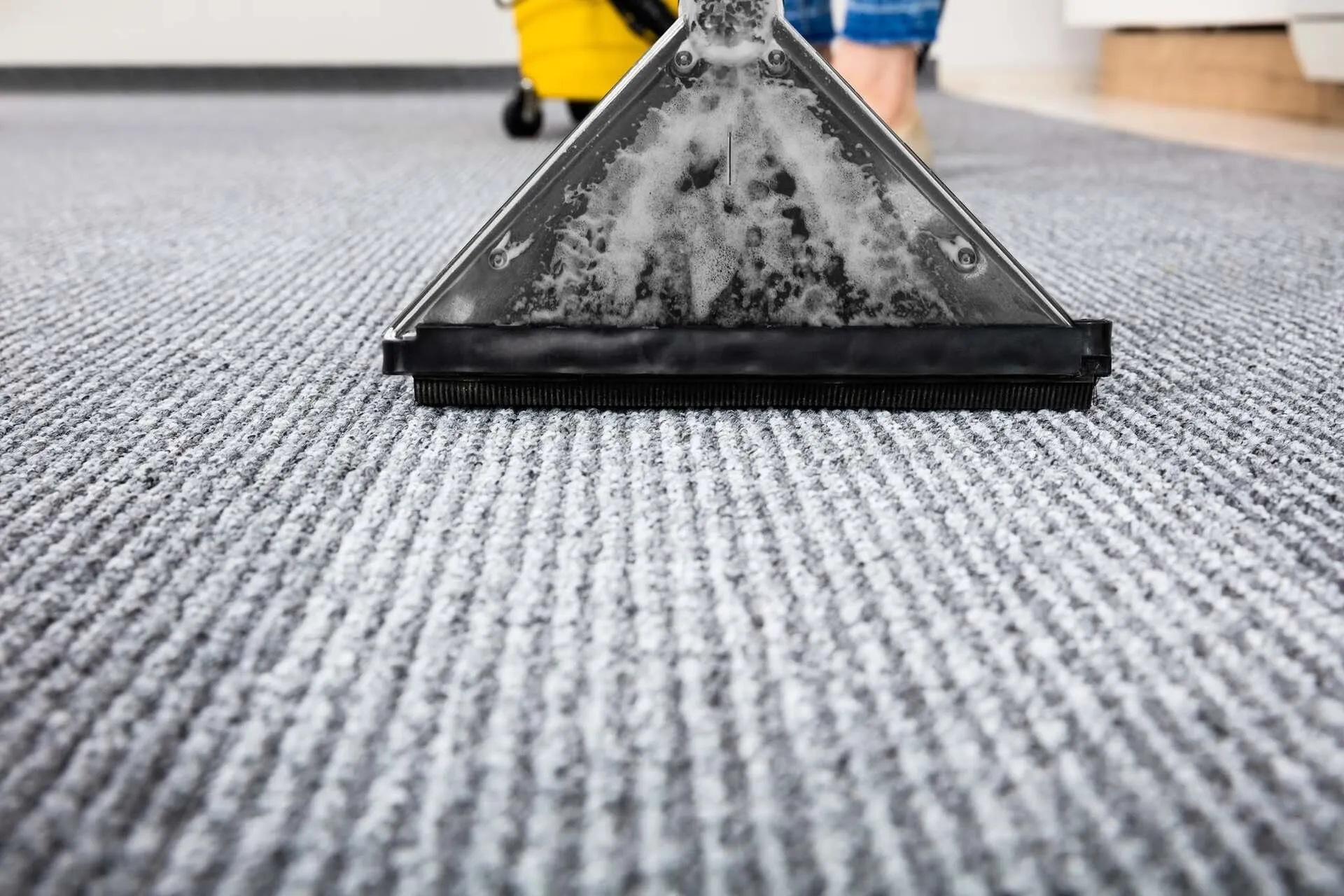
Industrial vacuum units and high-capacity submersible pumps remove thousands of gallons of standing water to halt immediate structural saturation. Removing bulk liquid volume is the most critical phase of the water damage restoration process.
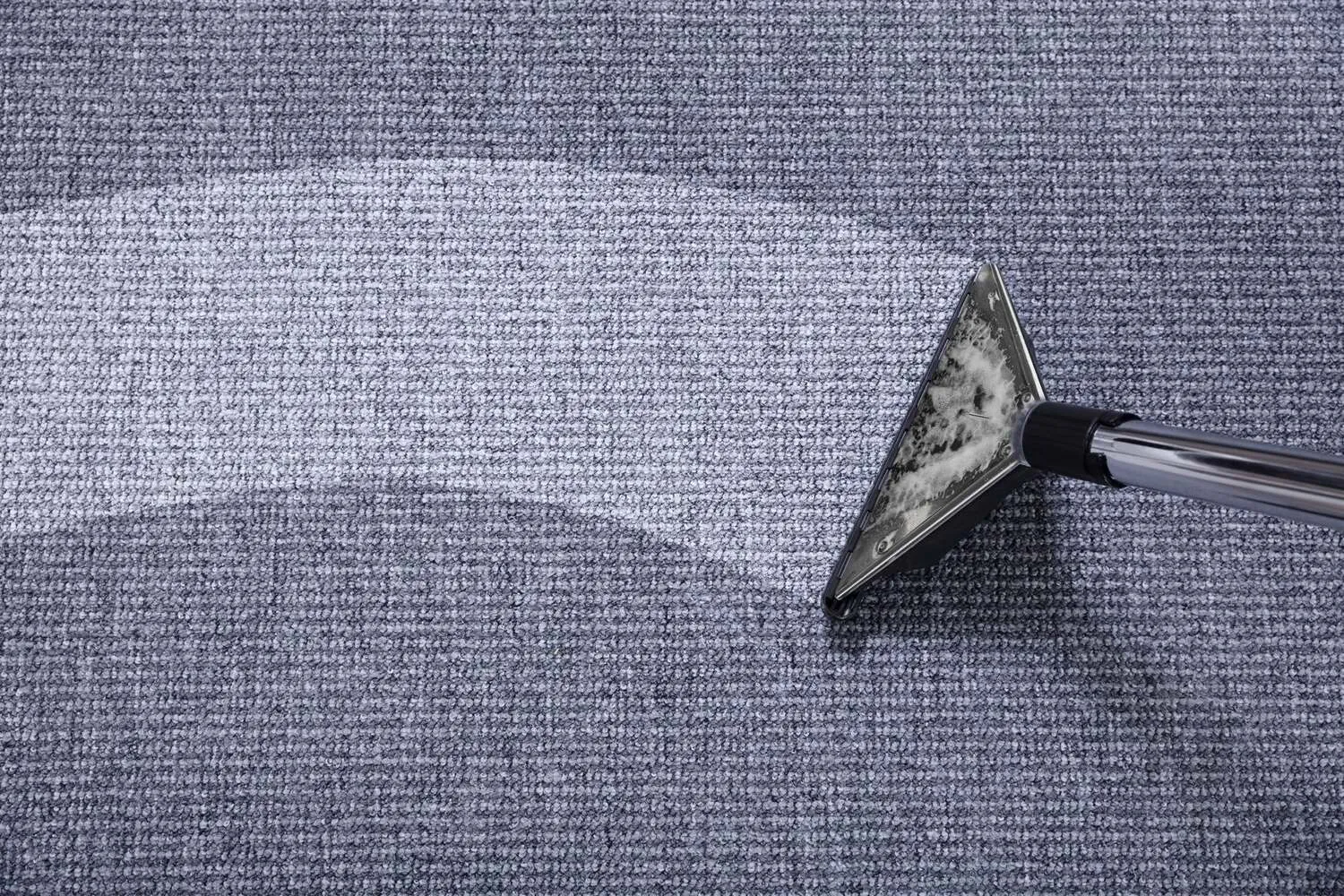
You must physically remove water before drying can occur. Elite flood cleanup process teams deploy truck-mounted extraction units capable of pulling massive liquid directly out of saturated carpets and concrete. Proper water extraction steps prevent water from migrating into adjacent rooms. The longer water sits, the deeper it penetrates into framing studs and drywall layers. Technicians utilize weighted extraction wands to press deep into carpet padding, pulling moisture from the subfloor below. This aggressive extraction drastically reduces total drying time. Executing a highly organized water damage restoration process requires rapid physical labor. If a basement in Marseilles takes on three feet of groundwater, extraction must operate continuously until the concrete slab is exposed.
Step 3: Deploying Structural Drying Equipment
Technicians manipulate indoor temperature and humidity by installing commercial air movers and low-grain refrigerant dehumidifiers. This scientific manipulation forces trapped moisture to evaporate out of dense building materials.
Extraction removes liquid water, but porous materials remain highly saturated. To combat this, the water damage restoration process shifts to advanced psychrometry. Teams deploy heavy structural drying equipment to create aggressive airflow across wet surfaces. Air movers strip the cool boundary layer of air sitting on top of wet drywall. This accelerates evaporation. Simultaneously, industrial dehumidifiers pull that newly evaporated moisture directly out of the atmosphere, pumping it safely down a drain. You cannot achieve this using standard household fans. Homeowners in Ottawa attempting to dry basements with box fans only spread humidity, triggering massive secondary mold growth. A verified water damage restoration process relies on strict mathematical formulas to determine the exact number of machines required to stabilize the indoor climate.
Step 4: Industrial Sanitization and Odor Removal
Certified technicians apply EPA-registered antimicrobial treatments to all affected surfaces to eradicate bacterial threats and neutralize dangerous mold spores. This chemical sanitization eliminates severe health hazards associated with contaminated floodwater.
Floodwater carries aggressive pathogens. Even clean water from a ruptured supply line quickly degrades into hazardous greywater as it absorbs dirt from building materials. A complete water damage restoration process mandates rigorous sanitization protocols. Technicians scrub exposed framing studs and concrete foundations with heavy-duty biocides. This chemical application stops microbial growth dead in its tracks. Flooded homes develop severe musty odors that embed into fabrics and wood. To combat this, responders utilize specialized tools like thermal foggers or hydroxyl generators. These machines release molecules that physically destroy odor-causing particles at the microscopic level. Skipping this phase of the water damage restoration process leaves your home smelling like a swamp permanently. Residents in LaSalle expect clean, breathable air, and industrial sanitization delivers that safety.
Step 5: Final Structural Repair and Restoration
Contractors rebuilt the property by installing new drywall, replacing damaged baseboards, and laying fresh carpet to return the home to its pre-loss condition. This final construction phase transitions the property from a disaster zone back into a livable residence.
Tearing out ruined materials is only half the battle. Your home requires comprehensive cosmetic and structural attention. Once drying logs prove the structural framing has reached a safe equilibrium, reconstruction begins. Teams operating in Peru focus heavily on seamless integration. If drywall was cut two feet up from the floor to remove wet insulation, the new panels must be taped, mudded, and painted to match the existing wall perfectly. Carpet cleaning and replacement frequently occur during this final stage. Heavy extraction can save some carpets, but heavily contaminated padding requires total replacement. The restoration protocol is not officially complete until the property looks exactly as it did before the pipe burst. This demands skilled carpentry, precise painting, and expert flooring installation to erase all physical evidence of the disaster.
Common Problems in Flood Cleanup & Solutions
Property owners face catastrophic secondary damages when they attempt to handle indoor flooding without industrial tools or professional oversight. Managing an indoor flood requires aggressive intervention to prevent permanent structural decay.
- Problem: Homeowners use standard shop vacuums and box fans to dry basements, leaving massive amounts of hidden moisture trapped inside drywall and beneath subfloors.
- Solution: J&M Reliable deploys specialized moisture mapping technology and heavy-duty extraction units to pinpoint and remove deeply trapped water that consumer tools miss entirely.
- Problem: Toxic black mold begins proliferating rapidly within 48 hours because indoor humidity levels remain completely unmanaged after a major leak.
- Solution: We install low-grain refrigerant dehumidifiers and commercial air movers that scientifically control atmospheric moisture, preventing mold spores from taking root.
- Problem: Odors from contaminated water embed permanently into framing studs and carpets, making the property completely unlivable.
- Solution: Our technicians apply EPA-registered antimicrobial treatments and advanced thermal fogging to destroy odor-causing bacteria at the microscopic level.
Call J&M Reliable for Emergency Service
Immediate action dictates the survival of your property. Waiting days to address standing water guarantees massive repair bills, structural rot, and dangerous mold infestations. Property owners in Ottawa, LaSalle, Peru, Oglesby, and Marseilles require immediate industrial intervention when disaster strikes. You cannot fight an indoor flood with household fans. You need a dedicated local team operating with heavy machinery and strict scientific protocols.
J&M Reliable stands ready to drag your property back from the brink of total destruction. We execute rigid extraction, rapid drying, and complete structural repair to restore your home safely. Do not let a burst pipe dictate the future of your real estate investment. We act fast to stabilize the environment, eliminate microbial threats, and rebuild your living space with absolute precision. We control the damage so you can reclaim your peace of mind and live comfortably again. We have the best possible solution for all these problems.