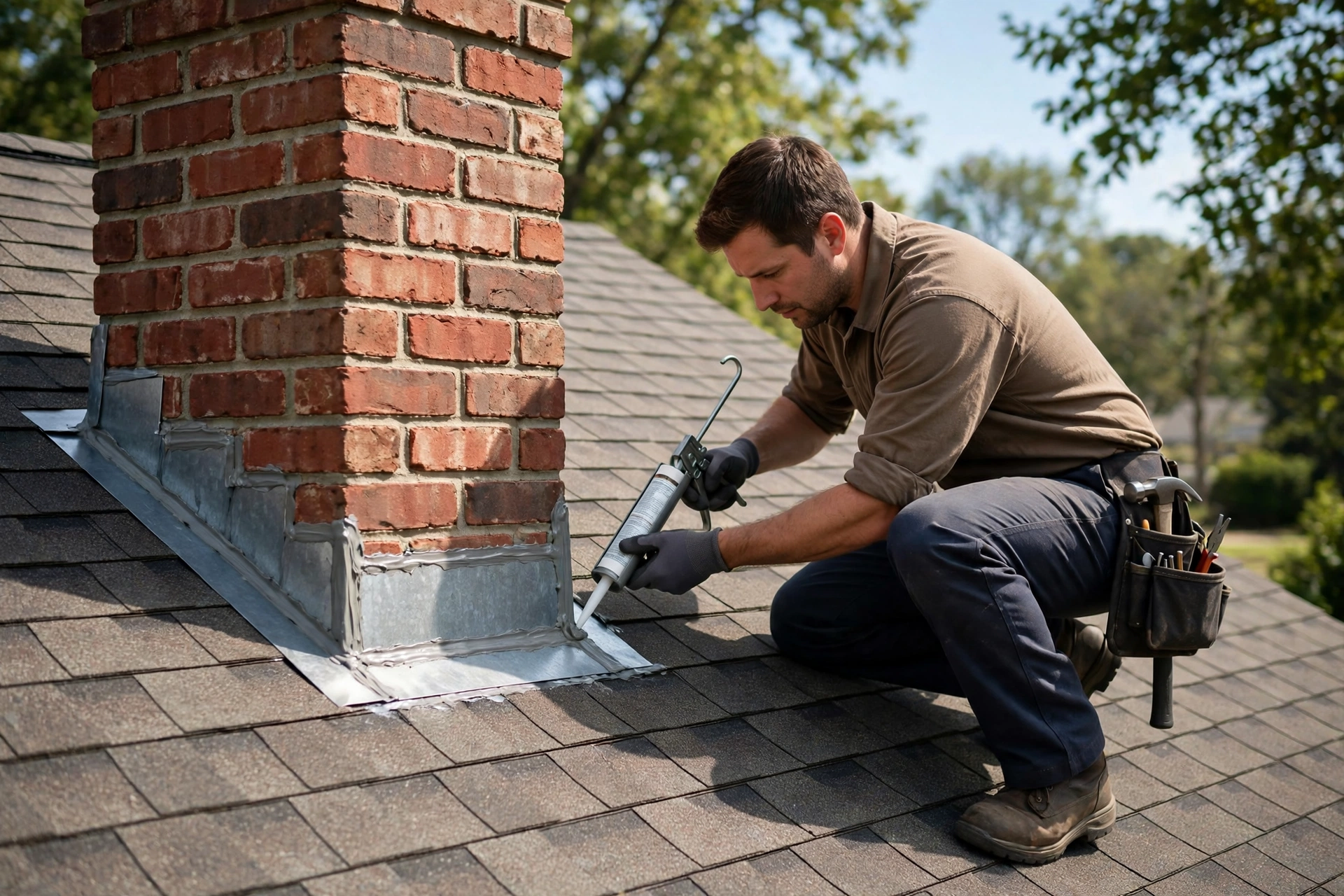
Vinyl siding melts. Wood siding rots. When Illinois weather turns violent, cheap exterior cladding fails. A proper James Hardie fiber cement siding installation completely solves this problem. It stands up to brutal winters. It resists warping. It literally blocks fire. At JM Reliable, we fix severe moisture problems across Streator and the Illinois Valley. We see the horrific structural rot caused by bad siding jobs. We have protected homes since 1970. We know exactly what happens when water gets trapped. You must install this premium cladding correctly. Let’s look at the mechanical science behind fiber cement. We will break down rainscreens. We will explain correct nailing techniques. We will show you exactly how this system keeps water outside.
The Hidden Dangers of Trapped Wall Moisture
A bare house wrap cannot stop all wind-driven rain. Moisture will eventually penetrate the exterior cladding and destroy the wooden wall sheathing unless it has a physical path to drain.
Many contractors make a huge mistake. They slap lap siding directly against the house wrap. They nail it tight. This traps water. Capillary action pulls rainwater straight up behind the boards. The water has nowhere to go. It sits there against your wooden framing. Your drywall gets wet from the outside in. Hidden mold blooms inside your walls. Your expensive insulation turns into a wet sponge. A meticulous James Hardie fiber cement siding installation prevents this exact disaster. Installers create physical breathing room behind the boards. They use specific moisture management techniques to guarantee total drainage. You cannot afford to let trapped water destroy your home foundation.
Implementing a Proper Siding Rainscreen Gap
A siding rainscreen gap creates a continuous vertical air channel between the fiber cement boards and the waterproof house wrap. This empty space allows trapped rainwater to drop down safely.
Water always sneaks behind exterior walls. You cannot stop it completely. You must manage it. Smart builders install vertical furring strips before hanging the boards. They nail these thin wooden strips directly over the studs. This creates a tiny physical void. We call this a siding rainscreen gap. It completely changes how the wall performs. Wind-driven rain pushes past the seams. Gravity takes over. The water drops straight down through the empty air gap. It flows out the bottom metal flashing. The wall stays completely dry. This technique prevents wood rot entirely. It extends the life of your premium cladding by decades.
Fiber Cement Wall Lap Siding Clearances
Proper fiber cement wall lap siding requires strict ground clearances and specific overlapping measurements to prevent moisture wicking. The bottom edge must never touch hard surfaces directly.
Fiber cement is incredibly tough. It contains Portland cement and cellulose fibers. If you bury the bottom edge in the dirt, it absorbs groundwater. The boards will crumble. A professional James Hardie fiber cement siding installation follows rigid clearance rules. The bottom row must sit at least two inches above concrete porches. It must sit at least six inches above the dirt grade. Roofers also leave a two-inch gap where roof shingles meet the side walls. These gaps keep the fiber cement wall lap siding perfectly dry. Keeping the boards off the ground stops moisture wicking dead in its tracks.
Blind Nailing vs Face Nailing Techniques
Blind nailing hides the metal fasteners completely underneath the overlapping board above it. Face nailing drives the fastener straight through the visible bottom edge of the board in high wind zones.
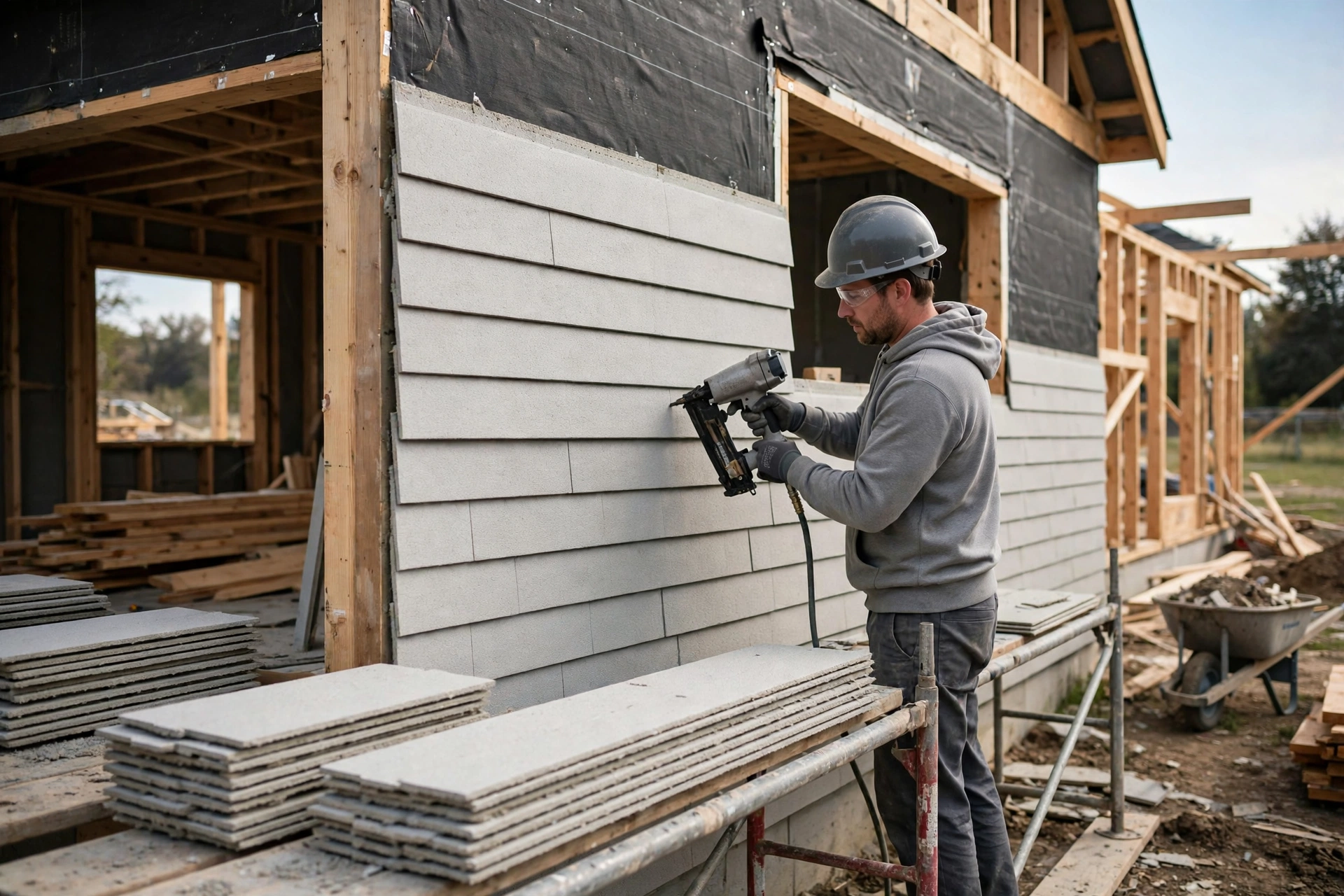
Nailing fiber cement requires serious precision. You cannot use a regular framing nailer. Every trusted Hardie Plank siding contractor uses specialized siding nailers. They adjust the air compressor precisely. The nail head must sit perfectly flush. It cannot sink deep into the material. Most installations rely heavily on blind nailing. The contractor nails the top edge of the board. The next row drops down and covers those nails completely. This creates a flawless exterior look. No metal shows. However, extreme weather sometimes requires face nailing. High wind zones demand extra holding power. A smart Hardie Plank siding contractor knows exactly when to switch techniques. They follow the strict factory guidelines to prevent wind uplift.
Hardie Board Trim Installation and Color-Matched Sealants
A correct Hardie board trim installation requires leaving a strict one-eighth inch gap where lap siding meets the vertical trim boards. Installers fill this specific gap with flexible color-matched sealants.
Houses move. The wood framing shrinks in the winter. It swells during humid Illinois summers. Your exterior cladding must accommodate this movement. If you jam the lap siding tight against the window trim, the boards will buckle. A proper Hardie board trim installation leaves room for this expansion. Installers leave a tiny deliberate gap at every single joint. They never caulk the bottom overlapping edges. They only seal the vertical butt joints and the trim edges. They use specialized non-hardening polyurethane caulk. The factory provides color-matched sealants. This matches the exact shade of the baked-on ColorPlus factory paint. The caulk stretches when the house moves. It keeps the heavy rain out perfectly.
Managing Dust with Specialized Cutting Tools
Cutting fiber cement creates dangerous silica dust that causes severe respiratory damage. Professional installers use dust-free electric shears or circular saws equipped with HEPA vacuums to protect their crews.
Standard saw blades melt when they hit fiber cement. When you cut this material, you generate a massive cloud of toxic silica dust. Breathing this dust ruins your lungs permanently. You absolutely cannot cut these boards inside a garage. During a James Hardie fiber cement siding installation, safety dictates the cutting methods. Crews use specialized polycrystalline diamond blades. They attach heavy-duty HEPA vacuums directly to their circular saws. They suck up the dust before it ever hits the air. For smaller cuts, they use heavy electric shears. These shears snip the board cleanly without creating any airborne dust. Keeping the job site clean protects your family.
Call JM Reliable for Complete Exterior Protection
Trapped wall moisture destroys expensive homes rapidly. You need an experienced local company to extract the water and fix the structural damage before toxic mold takes over entirely.
Do not let bad siding ruin your foundation. If a failed exterior has already caused water damage or mold inside your walls, you must act fast. The clock is ticking. JM Reliable is here to help you recover. We are a family-owned restoration business serving Streator, Ottawa, La Salle, Morris, Dwight, and Pontiac. We bring over 50 years of trusted local history. We handle complete water damage restoration and mold remediation. Seniors, first responders, and veterans always get a 10% discount. We provide honest upfront pricing with zero hidden fees. Call our 24/7 emergency response team right now at (815) 672-7514. We have a best possible solution for all these problems.