Your roof has a critical weak point. It is not the shingles. It is the metal joints. Roofs constantly shift and settle. Harsh Illinois weather beats down on your home year after year. When the metal seals around your chimney or roof valleys fail, water pours directly inside. This creates an immediate crisis. You need professional roof flashing repair to stop the leak.
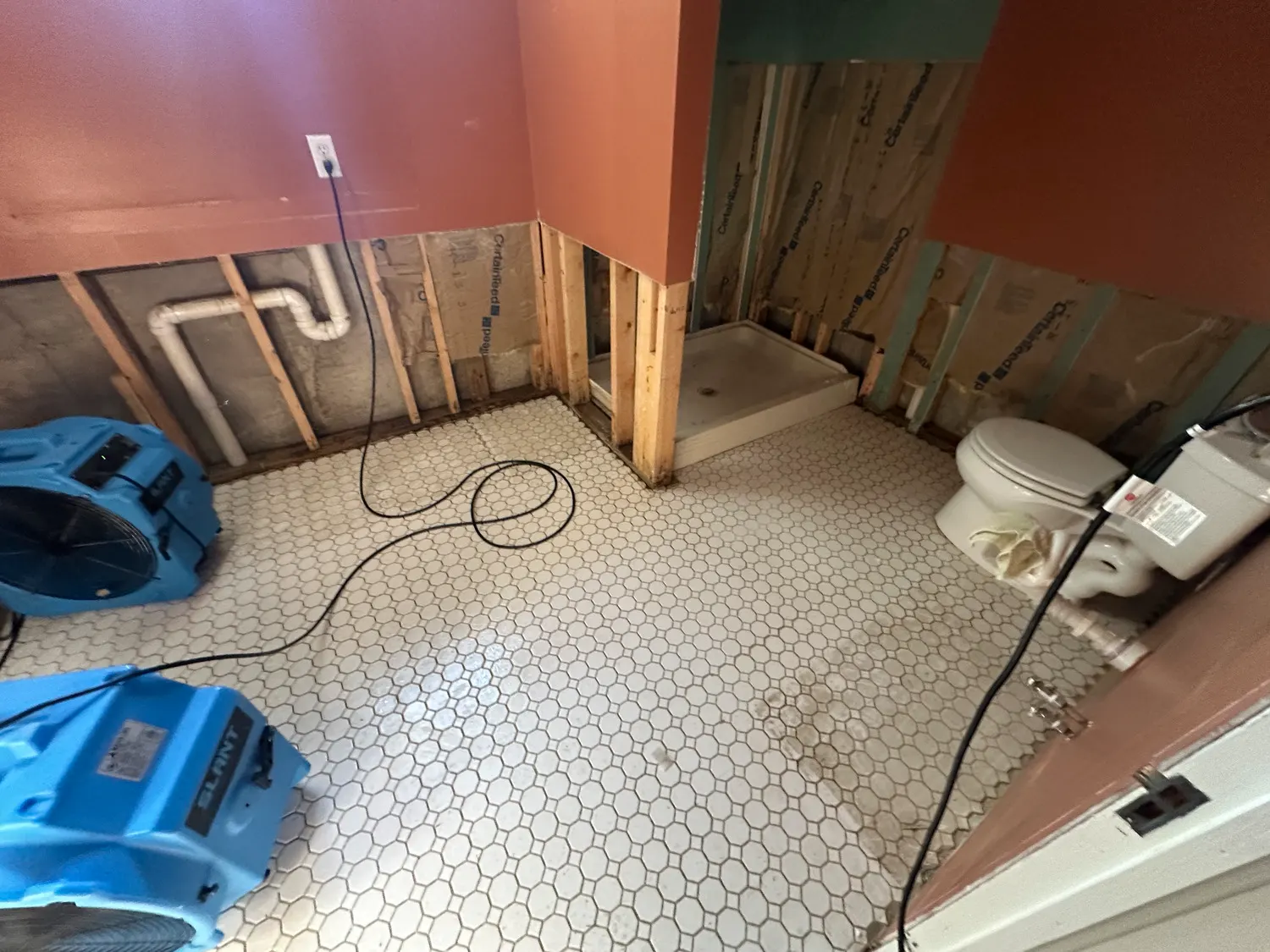
At JM Reliable, we clean up the messy aftermath of roof failures. We handle severe water damage and mold remediation across Streator and the Illinois Valley. We see the destruction caused by bad flashing every single day. Water ruins attic insulation. It rots wooden ceiling joists. It causes toxic mold to bloom in your walls. Understanding how your roof actually works helps you prevent these expensive indoor disasters. Let’s look at the mechanical side of your roof. We will break down exactly how proper flashing keeps the rain out.
The Hidden Dangers of Failed Roof Joints
Ignoring a small roof leak leads directly to structural wood rot and dangerous indoor mold growth. Water always finds the path of least resistance and will travel far from the original leak source.
Many homeowners spot a brown water stain on their bedroom ceiling. They assume a single roof shingle blew away. The hard truth is usually much worse. Failed flashing causes most major roof leaks. The metal rusts. The sealant cracks in the sun. The wind bends the edges upward.
Once that metal seal breaks, rainwater rushes underneath your shingles. It travels down your wooden roof rafters. It drips onto your thick fiberglass attic insulation. Wet insulation becomes entirely useless. It holds the water like a heavy sponge. This dark dampness breeds toxic mold in just 48 hours. By the time you see a ceiling stain, the mold has already spread. A prompt roof flashing repair stops this exact chain reaction. It keeps the water outside where it belongs.
Step Flashing Installation vs Counter Flashing
A proper step flashing installation weaves L-shaped metal brackets underneath individual roof shingles, while counter flashing embeds into the chimney mortar to cover the step flashing entirely. You absolutely need both systems working together to keep a brick chimney completely dry.
Chimneys are notoriously difficult to waterproof. They punch a giant hole straight through your roof deck. You cannot just smear tar around the base. The brick expands and contracts differently than the wooden roof framing.
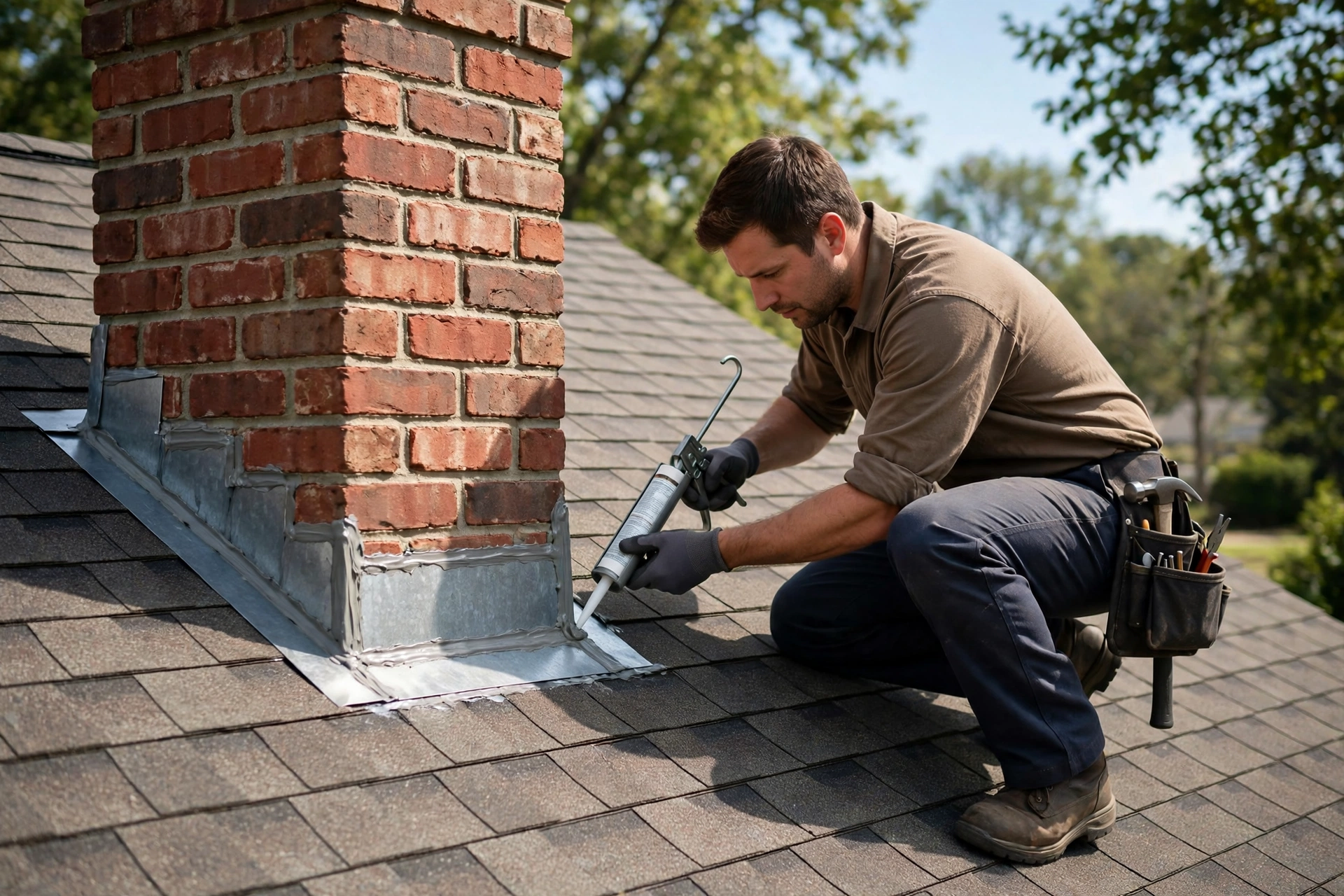
Roofers use a two-part metal system to bridge this gap safely. First comes the step flashing. The installer places a piece of bent metal over the end of a shingle. They place the next shingle over that metal. They repeat this step all the way up the side of the chimney. This weaves the metal and asphalt together. Next comes the counter flashing. Contractors cut a groove directly into the chimney brick. They insert the top edge of the counter flashing into this groove. This metal hangs down and covers the step flashing below it. It acts like an umbrella. Water hits the chimney brick. It flows down the counter flashing. It drops onto the step flashing and runs safely off the roof.
Understanding Chimney Flashing Repair Cost
The average chimney flashing repair cost ranges widely based on roof steepness and whether you choose basic aluminum or premium copper materials. Paying for high-quality metal and experienced labor upfront prevents costly indoor water damage later.
Budgeting for roof work is never fun. You must look at the long-term value. A cheap patch job will fail within a year. The water will return. You will then need our water damage restoration services.
The main cost factor is the material. Aluminum is affordable and resists rust well. Galvanized steel is cheaper but eventually rusts. Copper is the most expensive option. However, copper lasts a lifetime and offers unmatched durability against extreme weather. Labor also heavily influences the final chimney flashing repair cost. Cutting custom metal and grinding mortar joints takes real skill. You pay for that specialized craftsmanship.
How to Replace Roof Valley Flashing
To successfully replace roof valley flashing, contractors must strip away the surrounding shingles and lay down a self-healing waterproof membrane before securing the new metal trough. This double-layer approach ensures absolute protection in the heaviest water collection zones.
A roof valley is the V-shaped channel where two different roof slopes meet. These areas handle a tremendous amount of water. During a heavy Streator thunderstorm, thousands of gallons of rainwater rush down these valleys.
If the metal trough in the valley rusts or bends, the water flows straight into your attic. When contractors replace roof valley flashing, they never just nail down new metal. They must build a watertight base. They strip the area down to the bare wood deck. They stick a heavy ice and water shield underlayment directly to the wood. This rubberized membrane seals tightly around roofing nails. Once the membrane is flat, they install the new metal valley flashing over it. This gives your home two distinct layers of waterproof protection.
Soldering Copper vs Aluminum Flashing
Copper flashing requires precision blowtorch soldering to create permanent waterproof joints, whereas aluminum flashing relies strictly on specialized exterior sealants because it cannot be soldered. Both methods require highly skilled application to prevent joint leaks.
Water sneaks through the tiniest metal gaps. When multiple pieces of flashing meet around a complex chimney corner, those joints must be sealed perfectly.
Copper offers a distinct advantage here. Plumbers and roofers can melt metal solder directly into the copper joints. This permanently welds the overlapping pieces together. It creates a solid, unbroken metal shield. Aluminum behaves differently. You cannot solder aluminum with standard tools. Roofers must use high-grade polyurethane sealants to glue the aluminum overlaps together. Over many years, the sun degrades these sealants. Copper soldering never degrades.
Effective Leak Prevention Flashing Strategies
A true leak prevention flashing strategy requires repairing crumbling brickwork and sealing worn chimney mortar lines with waterproof masonry caulk. New flashing will still leak if the bricks above it absorb water like a sponge.
You can install the best copper flashing in the world. It will not matter if your chimney bricks are ruined. Old brick is highly porous. Crumbling mortar absorbs rainwater easily.
The water enters the chimney high up near the top. It travels down inside the brick structure. It bypasses your brand-new flashing completely. It drips straight into your living room. Good leak prevention flashing includes full masonry maintenance. Contractors must grind out the old mortar. They tuckpoint the joints with fresh cement. They apply a clear masonry water repellent to the bricks. This forces the water to bead up and roll down the outside of the chimney. It ensures your flashing actually has a chance to do its job.
Call JM Reliable for Water Damage Restoration
When roof flashing fails, indoor water damage happens rapidly. You need a trusted local restoration company to extract the water and remove the hidden mold quickly before structural rot sets in.
Do not let a leaky roof destroy the inside of your home. If a failed roof joint has already flooded your attic or stained your drywall, you need to act fast. Mold grows in just two days. JM Reliable is here to help.
We are a family-owned restoration company serving Streator, Ottawa, La Salle, Morris, Dwight, and Pontiac. We handle severe water extraction, mold remediation, and complete structural drying. We provide honest, upfront pricing with no hidden fees. Seniors, first responders, and veterans always receive a 10% discount on our services. Call our 24/7 emergency response team today at (815) 672-7514. We have the best possible solution for all these problems.